Researchers have reported a breakthrough in treating advanced pancreatic cancer with a novel pill. The experimental drug, daraxonrasib, has shown the potential to significantly extend survival time for patients. This development offers hope for enhanced treatments for one of the most lethal cancer types.
Significant Findings from Recent Studies
Dr. Zev Wainberg of the University of California, Los Angeles, noted that while the drug does not cure cancer, it represents major progress. Daraxonrasib targets a mutated protein present in over 90% of pancreatic cancer cases. This protein had been a challenging target for treatments for decades.
The study involved 500 patients with metastatic pancreatic cancer unresponsive to previous treatments. Participants were randomly assigned either the new drug or additional chemotherapy. Findings published in the New England Journal of Medicine and presented at the American Society for Clinical Oncology meeting in Chicago revealed that patients on daraxonrasib had a median survival of 13.2 months compared to 6.7 months for those receiving chemotherapy.
Impact on Quality of Life
Dr. Rachna Shroff from the University of Arizona Cancer Center reacted emotionally to the results, expressing that the treatment provided significant and lasting benefits. Even as the drug’s effects declined over time, patients experienced reduced pain, improved quality of life, and longer treatment duration compared to chemotherapy.
Numerous patients continued using the drug beyond the data analysis point, suggesting that the survival benefit might increase further as monitoring progresses.
Potential New Standard in Care
The study findings, presented by Dr. Brian Wolpin of the Dana-Farber Cancer Institute, suggest that daraxonrasib should become a new standard of care for previously treated metastatic pancreatic cancer. Researchers plan to explore the drug’s effectiveness in earlier stages of the disease, potentially qualifying more patients for surgery.
While reported side effects include severe rashes and mouth sores, the overall impact appears promising. Revolution Medicines funded the study, and the Food and Drug Administration plans to expedite the drug’s review process. Additionally, the agency offers ‘expanded access’ to eligible patients.
Addressing a Critical Need
Pancreatic cancer remains one of the deadliest cancers due to difficulty in early detection and limited treatment options.
According to the American Cancer Society, about 67,000 new cases are expected in the U.S. this year, with over 52,000 deaths projected. The five-year survival rate stands at 13%.
Dr. Andrew Coveler of the Fred Hutchinson Cancer Center emphasized that daraxonrasib works drastically differently by targeting KRAS mutations. This drug utilizes a unique approach to bind with multiple KRAS subtypes. Other experimental treatments include new vaccines intended to prevent cancer recurrence after surgery by training the immune system to recognize the mutated protein.
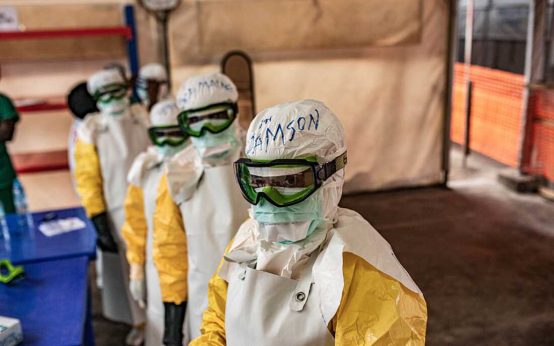 Ebola Outbreak in Africa: A Serious Concern
 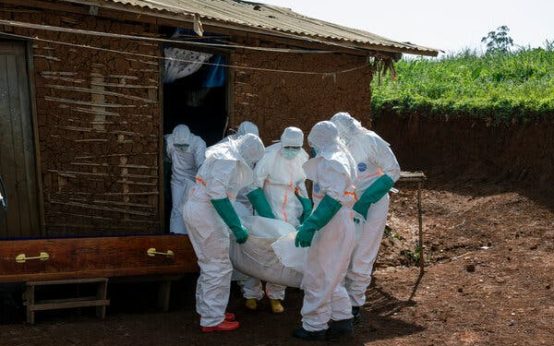 Gold and the Ebola Outbreak in Congo’s Mining Towns
  House Passes Bill for Veterans’ Benefit Increase
 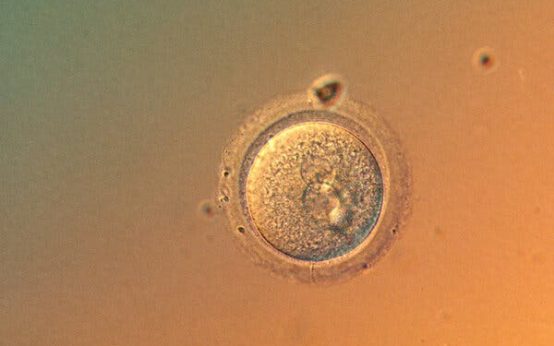 Gene Editing in Human Embryos at Columbia University
  Melinda French Gates Commits $215 Million for Global Women’s Health
  Impact of Reduced Public Health Authority Post-COVID-19