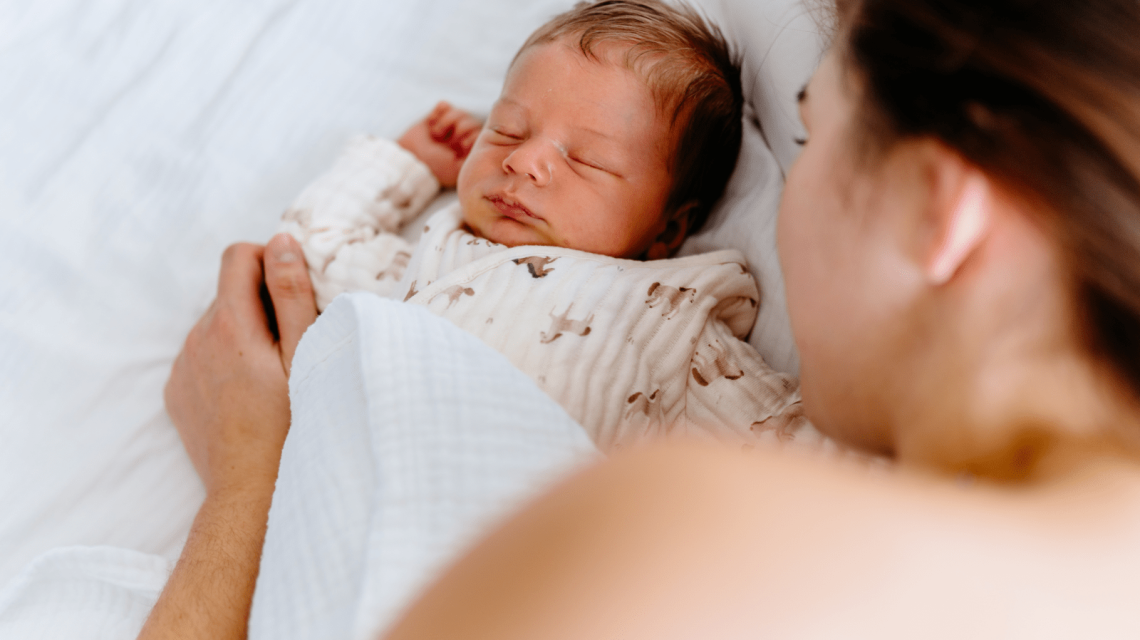
A mother from the Netherlands, Chantal Wijbrandi, shared her postpartum practices that may seem unusual in modern Western culture. Following the birth of her second child, she adhered to 11 traditional rules that emphasize community support and personal healing.
These practices included staying mostly in bed for two weeks, avoiding leaving the house for 40 days, consuming only warm, cooked foods, and receiving regular massages and support from family and friends. Additional practices involved belly binding, herbal sitz baths, and prioritizing rest and nourishment.
Wijbrandi, mother of two children—Lilian, aged 4, and Lars, 17 months—explored these practices after a challenging postpartum experience with her first child. She explained, “After my first birth and difficult isolated postpartum experience, I went on a deep dive into postpartum culture across the world.” Her research revealed similar practices in traditional and indigenous cultures worldwide.
She highlighted traditions such as China’s “sitting the month,” Latin America’s la cuarentena, South Africa’s Zulu umsamo, and Europe’s historical “lying-in” period. Her first postpartum experience was characterized by a traumatic birth and lack of support, which led to feelings of loneliness and overwhelm.
By her second pregnancy, Wijbrandi aimed for a more peaceful and connected experience. She stated, “I was really intentional about preparing for the experience to be peaceful and sacred.” The focus shifted from self-reliance to seeking support and building a nurturing environment.
The key difference between traditional and modern practices, according to Wijbrandi, is the focus on the mother. She observed, “Traditional cultures tend to center the mother after birth, whereas modern Western culture tends to center the baby.” Despite elaborate preparations like baby showers, new mothers often find themselves isolated post-birth.
On Instagram, as @becomingthismama, Wijbrandi identified rest, nourishment, and community as impactful practices. “Taking it slow the first 40 days was incredible for my physical healing,” she remarked.
For mothers who question such practices, she advised embracing support as a birthright. “Ask yourself why being supported and loved on feels like a lot after you have been pregnant,” she encouraged. The emphasis on community and support facilitates a smoother postpartum transition.
 Elevated Mortality Risks for Divorcees and Widows
  Routine Surgery Unveils Unexpected Pregnancy for UK Woman
  A Mother’s Journey: From Unexpected Diagnosis to Life-Saving Transplant
  Veteran News Anchor Bill Ritter Diagnosed with Alzheimer’s Disease
  Hantavirus Outbreak on Cruise Ship Raises Concerns: A Closer Look
  Students Use Glucose Monitors to Understand Their Health