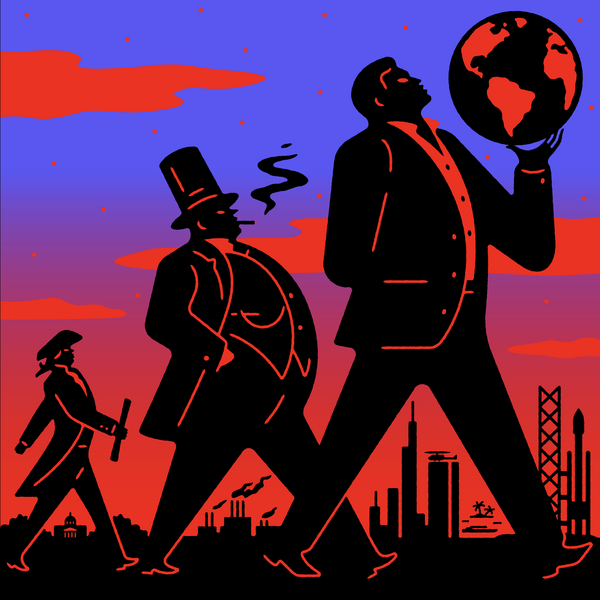
Increasingly, prominent figures from Silicon Valley express doubts about modern views on egalitarianism, sometimes showing disdain for equality itself.
Peter Thiel, a tech investor known for his work with companies like PayPal and Palantir, addressed economic dynamics in his 2014 book, “Zero to One.” He described a scenario where a small group surpasses all rivals, establishing this as a universal law.
In a post last year, Elon Musk suggested humanity serves as a mere biological bootloader for digital superintelligence. This implies that human efforts fuel wealth-generating endeavors.
Carlos Carvalho, president of the University of Austin, supported by Thiel and other tech leaders, delivered a convocation address titled “In Defense of Inequality.”
These affirmations of inequality might seem like a new, unorthodox perspective in American politics. Historically, Americans pride themselves on a commitment to universal equality, rooted in the Declaration of Independence’s statement that “all men are created equal.”
However, America has long harbored anti-egalitarian sentiments, especially economically. Dr. Carvalho acknowledges our equal creation but highlights a viewpoint throughout history suggesting that, despite the tension between political democracy and capitalism, inequality should be accepted as natural and beneficial.
 Spencer Pratt Concedes Los Angeles Mayoral Race Amidst Controversy
  Alaska Ballot Controversy Over Two Dan Sullivans
  Federal Judge Blocks Removal of National Park Exhibits
  Judge Temporarily Blocks Trump’s Proposed Compensation Fund
  Concerns Raised Over Proposed Veterans Benefits Package
  Trump’s Name to Be Removed from Kennedy Center After Court Ruling