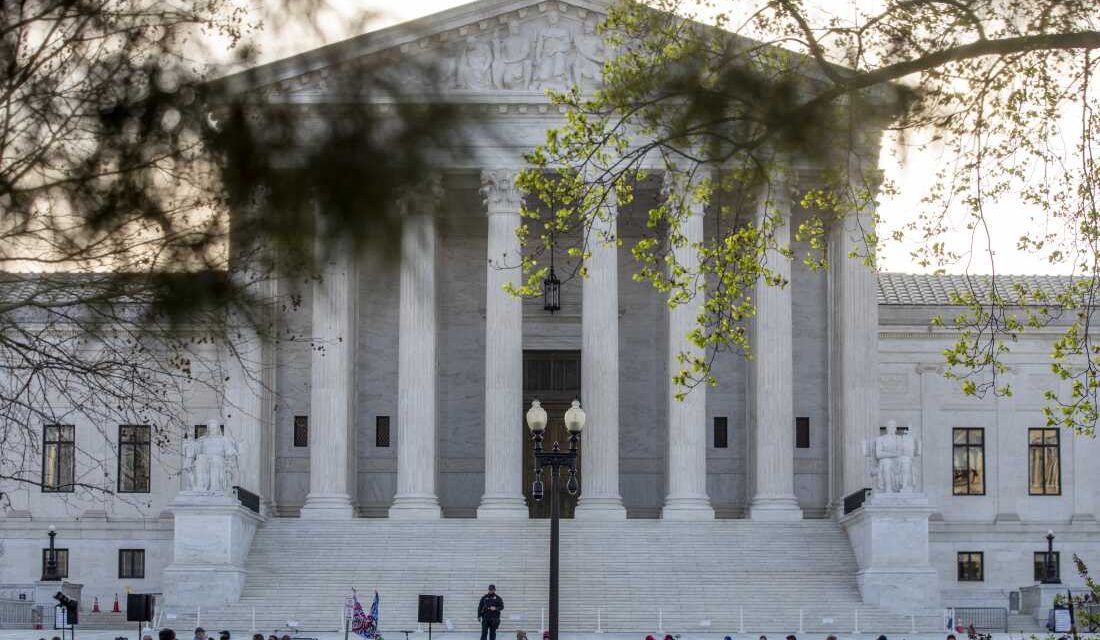
The Supreme Court is nearing a crucial period as justices work to complete pending decisions and dissents. Out of the 58 cases argued, 23 remain unopened. Two significant rulings have already occurred. One ruling drastically weakened the 1965 Voting Rights Act, prompting redistricting efforts by Republicans in the South to diminish or remove majority-Black districts. The second major case invalidated President Trump’s tariff program, citing a lack of congressional authorization.
Upcoming Decisions
Several complex and contentious cases await resolution in the coming weeks, with an expected completion by late June or early July. Decisions are anticipated to begin on Thursday, June 11. The following is an overview of key cases under consideration.
Birthright Citizenship: Trump v. Barbara
President Trump contends that the Constitution does not guarantee birthright citizenship for babies born on U.S. soil. His executive order attempted to bar citizenship for children born in the U.S. if their parents are living in the country illegally or on temporary visas. Lower courts deemed the order unconstitutional, citing the Fourteenth Amendment, which grants citizenship to all born or naturalized in the U.S.
Transgender Sports Bans: Little v. Hecox and West Virginia v. B.P.J.
Several state laws now forbid trans girls and women from participating in women’s sports at publicly funded schools. The Supreme Court will decide on cases involving both varsity and high school sports. Proponents argue these laws prevent an unfair advantage, while opponents claim they violate federal law and equal protection guarantees. Prominent athletes are divided on this issue.
Presidential Powers over Independent Agencies: Trump v. Slaughter
Historically, the Supreme Court has upheld the independence of federal agencies. Now, if the conservative majority supports Trump, presidents may gain the authority to dismiss agency leaders at will. This case involves the firing of FTC member Rebecca Slaughter, with possible implications for agency independence.
Federal Reserve Board Independence: Trump v. Cook
The appointment and potential dismissal of Fed board members have sparked concerns. Trump’s attempts to fire Fed leaders have yet to succeed. The Supreme Court’s decision on Cook’s case could influence the independence of the Federal Reserve and future presidents’ powers over board members.
Mail-in Ballots: Watson v. Republican National Committee
The legality of counting mail-in ballots post-Election Day varies by state. Mississippi defends its policy, arguing state rights to manage elections. The Trump administration argues that federal law mandates voting completion on Election Day. The Court’s ruling will impact future mail-in ballot considerations.
Temporary Protected Status: Mullin v. Doe and Trump v. Miot
The Supreme Court is assessing Trump’s effort to reduce countries eligible for Temporary Protected Status. Current cases involve migrants from Haiti and Syria. The administration claims TPS decisions fall solely under presidential authority, raising the risk of mass deportations if the Court concurs.
Geofencing and Privacy: Chatrie v. US
Geofencing technology, which captures data from specific areas around a crime scene, faces scrutiny. The case questions the constitutionality of using geofencing warrants that search users’ location data. This decision will influence the balance between privacy and law enforcement practices.
Gun Rights: Wolford v. Lopez and US v. Hemani
Two gun-related cases question regulations in certain states requiring advance permission to carry firearms on private property and the constitutionality of barring drug users from firearm possession. These decisions could clarify interpretations of Second Amendment rights, following past rulings deemed unclear by lower courts.
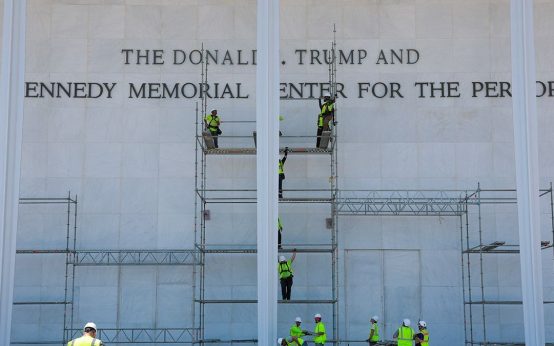 Trump’s Name Removed from Kennedy Center After Court Ruling
 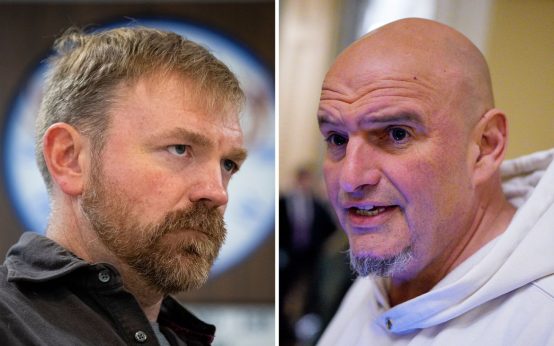 Democratic Tensions Flare as Fetterman and Platner Clash
  New Legislation Targets 3D Printing of Firearms
 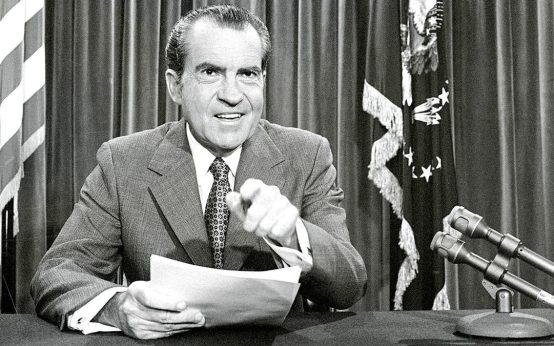 Former General Likens Trump’s Iran Strategy to Nixon’s Vietnam Bombing Campaign
 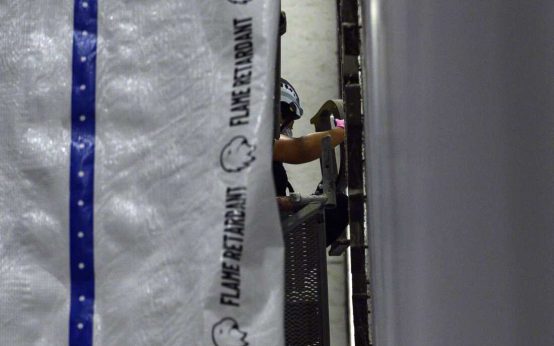 Removal of Trump’s Name from Kennedy Center Marks Judicial Enforcement
 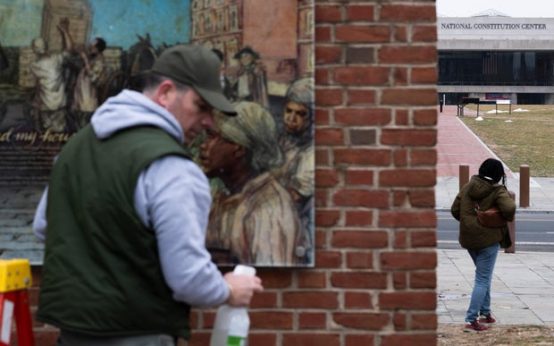 Federal Judge Blocks Trump Administration’s National Park Changes