
Millennials are reshaping the concept of dog ownership, embracing a trend known as “gentle parenting.” Unlike past generations, who often viewed dogs as outdoor animals with clear hierarchies, millennials now see them as integral family members. This shift has changed how dogs fit into daily routines, with practices that would have seemed unusual decades ago.
“Dogs are no longer pets kept in the yard, left at home, or occasional companions,” said Chris Edge, founder of K9Edge Dog Training. “Dogs sleep in beds, go to daycare, spas, and playcenters. They come shopping, travel with us, and neighborhoods are developed with as many dog parks as playgrounds.”
Lifestyle changes, particularly the increase in remote work during the COVID-19 lockdowns, have accelerated this cultural shift. Spending more time at home led many to adopt dogs, creating pets more closely bonded to their owners.
Abigail Beek, a 27-year-old dog owner from Austin, Texas, exemplifies this bond with her pit bull mix dogs, Harvey and Azula. “My life with my dogs is dedicated to living side by side. I do everything I can to give my dogs a life they love, while minimizing stress when possible,” she shared. Working from home full-time enables her to spend ample time with her dogs, focusing her daily routine on their care with walks, training, and playtime.
This approach, termed “gentle parenting,” borrows from child-rearing philosophies emphasizing empathy and positive reinforcement. Experts view this movement away from harsher training methods as increasingly positive. Carolyn Menteith, a dog behaviorist with Tails.com, highlights the dogs’ integration into family life as a cultural shift. She notes the rise of DINKWADs (Dual Income No Kids With A Dog), especially among young adults aged 25-34.
Shifting priorities and falling birth rates play roles, with millennials investing time and resources into pets rather than children. A 2024 study indicated 43 percent of Americans preferred pets over children, with Gen Z and millennial respondents citing lower costs and fewer responsibilities. Research shows 63 percent of pet owners would trade some life years to extend their pet’s life, signifying a deep emotional connection.
For pet owners without children, dogs occupy a significant role. “I love my dogs so much, and I don’t have any kids of my own, so I definitely spend multiple hours a day taking care of my dog,” Beek expressed. Despite enthusiasm for strong human-dog relationships, experts caution against overlooking a dog’s distinct needs and boundaries. Menteith warns against treating dogs like children, emphasizing the importance of recognizing their unique species requirements.
“Unfortunately, we often treat dogs like children, but they are not small people in fur coats,” she remarked. Edge stresses the importance of boundaries and structure: “Force free does not mean boundary free.” The pandemic’s close companionship led to some behavioral issues due to lack of separation and downtime.
“Dogs had continuous access to people, stimulation, and interaction,” noted Edge, explaining that abrupt return to normalcy left many dogs unprepared for separation and rest. “Many dogs grew up with constant noise, constant engagement… and very little true decompression,” causing neurological exhaustion.
A broader “dog culture” has emerged, with businesses catering to pet owners. Cafés, restaurants, and cinemas increasingly welcome dogs, reinforcing their importance in daily life. However, experts stress that inclusion should not come at the expense of a dog’s natural needs.
“Most problems thought of as dog behavior issues are just dogs behaving naturally,” Menteith observed.
Despite these concerns, many owners believe they achieve the right balance. “More people realize you can have a spoiled dog that is well trained—it doesn’t have to be either or!” Beek said. As dog ownership evolves, finding a middle ground remains a challenge: balancing compassion with clear boundaries to ensure dogs thrive in a human-led world.
 The Versatility of Salsa Beyond Chips
  Exploring Alkaline Water: Benefits and Concerns
 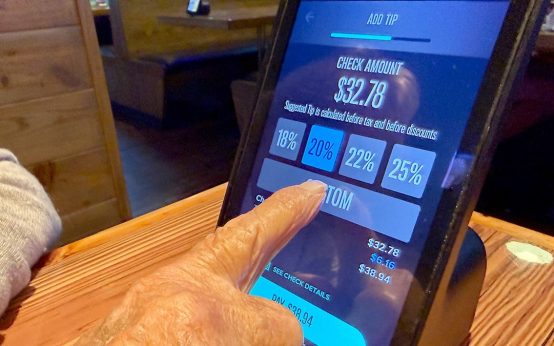 Americans Reach Tipping Point with Digital Tipping Screens
  U.S. Travel Advisory Updates Ahead of 2026 FIFA World Cup
  How a Chef is Helping Families Make Affordable, Healthy Meals
  Popeyes Collaborates with The Surf Lodge for a Unique Food Experience