
On April 1, 1976, in Cupertino, California, two friends with contrasting personalities took a bold step. A scraggly hippie and a meticulous engineer united to form a small Silicon Valley startup that would eventually redefine the world of technology. Steve Jobs and Steve Wozniak, on that date, signed a partnership agreement that birthed Apple Computer Co.
Jobs was a 21-year-old college dropout at the time. Wozniak worked at Hewlett-Packard and was 25 years old. Each held a 45% share in the new company. Ron Wayne, who advised the pair, owned the remaining 10%. However, Apple’s initial struggles led Wayne to part ways with his stake for $2,300. In hindsight, this decision cost him what would now be worth $370 billion, as Apple’s value soared to $3.7 trillion.
Apple’s path wasn’t always smooth. The company faced a near collapse more than once. In a notable event in 1985, Jobs was ousted from Apple. But in a dramatic 1997 return, Jobs not only resumed a leadership role but also transformed Apple into a powerhouse of innovation and creativity. His efforts during this time saw the creation of groundbreaking devices like the iPod, iPhone, and iPad.
The Astounding Ascent
Apple’s trajectory towards success began in earnest a year after its founding. In June 1977, the Apple II computer hit the market at $1,298, equivalent to about $7,000 today. Its popularity set sales records and positioned Apple for their Initial Public Offering (IPO) in 1980. Then, buying 100 shares at $22 each would translate to an over $5.5 million fortune now.
Apple’s next big leap came on January 24, 1984, at a shareholders meeting. There, Jobs introduced the first Macintosh by reading Bob Dylan’s lyrics, “The Times They Are A-Changin’.” Alongside, Apple aired a striking TV commercial during the year’s Super Bowl. Directed by Ridley Scott, this ad left a cultural imprint by linking the Macintosh with Orwell’s novel “1984.” However, the Macintosh’s $2,500 price limited its success, prompting layoffs as sales underwhelmed.
The following year saw a power struggle within Apple. Jobs’ relationship with Apple CEO John Sculley crumbled, resulting in Jobs leaving the company in 1985. This decision was driven by a deep sense of betrayal.
The Jobless Descent
The period after Jobs’ departure saw Apple under different leaderships. Though Apple under Sculley succeeded with popular Mac versions, the competitive pressure from cheaper PCs using Microsoft software was intense. Sculley was eventually dismissed in 1993 amidst a seven-year legal struggle with Microsoft over copyright.
Michael Spindler, who replaced Sculley, led until 1996 when he was replaced by Gil Amelio. Amelio’s key decision was acquiring NeXT, a computer company initiated by Jobs post-Apple. This decision would change Apple’s direction, as NeXT’s technology formed a core part of Apple’s future growth.
The Remarkable Resurrection
Intending to remain an advisor temporarily, Jobs found himself drawn back to Apple in 1997. In a surprising turn, Jobs brokered a $150 million investment deal from Microsoft. This revitalized Apple, leading to the creation of the colorful iMacs. They symbolized a new era focusing on internet connectivity and style.
October 2001 marked the release of the iPod, a portable music player revolutionizing the way we listen to music. The iPod’s success paved the way for digital music’s rise, as CDs slowly fell out of favor.
On January 9, 2007, Jobs introduced the iPhone in San Francisco. It promised to combine a phone, media player, and internet device. Its launch transformed daily life and communication. To date, over 3 billion iPhones have been sold, contributing significantly to Apple’s $416 billion revenue in recent years.
Despite significant reliance on the iPhone’s success, Apple’s diverse product lines have contributed to its expansion. Under Tim Cook, who Jobs personally chose as his successor, Apple’s worth has multiplied tenfold, compared to its value at the time of Jobs’ death in 2011. This growth underscores Cook’s successful stewardship of the company’s vision and legacy.
 60 Minutes Correspondents Decide to Stay Amid Crisis
  AI Impact: How AI Search is Transforming Professional Services and IT Budgets
  The Critical Role of Magnets in Modern Drone Warfare
 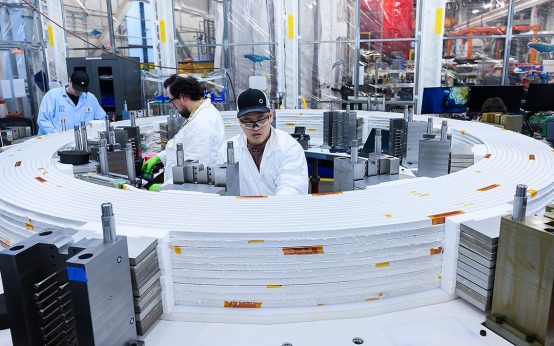 Rising Energy Demands Drive Innovative Solutions
 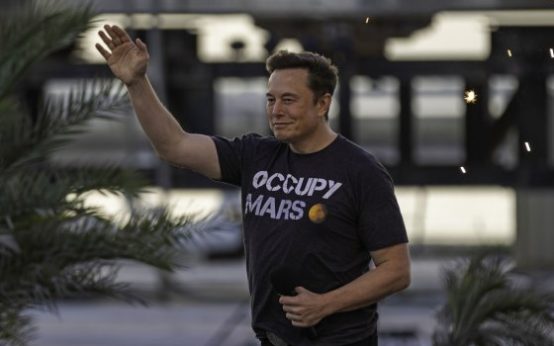 SpaceX Market Debut: Elon Musk’s Journey to Trillionaire Status
 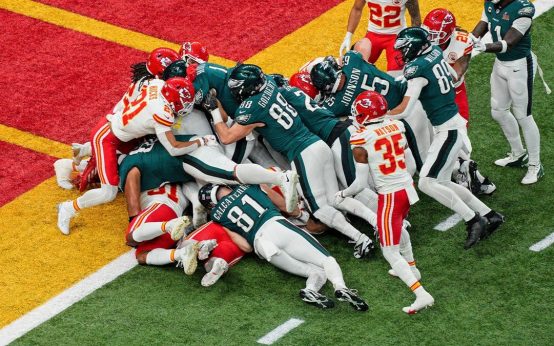 The State of Sports Video Game Releases and Player Expectations