
In a recent discussion about potential conflicts with Iran, a former senior U.S. military officer highlighted concerns about U.S. air defense capabilities. He pointed out that U.S. allies in the Middle East, like the UAE, are more protected against Iran’s Shahed drones than Florida is, due to its proximity to Cuba.
The Trump administration’s efforts to address the government in Cuba underscore the strategic importance of the region. Located less than 90 miles from Florida, Cuba poses a risk of potentially hosting hostile drones, whether from Iran or other adversaries.
Reports indicate that the Pentagon plans to increase its budget for drone warfare programs to approximately $55 billion by 2027. This growth addresses the escalating threat posed by inexpensive drones overwhelming current U.S. defenses. The U.S. Central Command (CENTCOM) and U.S. Special Operations Command (SOCOM) in Tampa face the potential threat of these drones launched from Cuba.
U.S. capabilities in drone and autonomous warfare technology lag behind adversaries. China and Russia are advancing rapidly in this sector. Concerns arise from their development of ‘carrier drones’ capable of launching smaller drones mid-flight, expanding their operational range. Should these drones reach the Western Hemisphere, they could pose direct threats to the United States.
The U.S. must catch up quickly to counteract these developments. Increased funding signifies a commitment to enhance cutting-edge drone warfare technology, possibly emulating the ‘Manhattan Project’ to surpass global adversaries. With China emerging as a primary strategic competitor, the U.S. must bolster its defenses to counteract China’s expanding military capabilities, particularly its navy.
The U.S. Navy’s ability to shoot down Shahed-class drones is promising but costly. How the U.S. plans to counter China’s advanced drone technology remains a critical question. Developing cutting-edge deterrents, such as unmanned aircraft system (UAS) carrier drones, is essential to address future naval threats.
Furthermore, as drone warfare evolves, the U.S. needs to protect its bombers and crews from advanced enemy drones, especially those developed by China and Russia. Protecting against threats from within the Western Hemisphere or immediately off the U.S. coast is vital.
Lessons from the current ‘Drone War’ between Ukraine and Russia could guide U.S. strategies. The U.S. must watch adversaries like Iran, who are increasingly capable of deploying cost-effective, lethal attack drones. Such drones pose threats not only from Cuba but also from other Central American countries or offshore vessels.
The significant budget increase from Trump and the Pentagon shows their awareness of the situation. However, with advancements by China and Russia in deploying ‘carrier drones’ near U.S. shores, timely action is imperative.
Developing effective drone countermeasures and modernized UAS systems carrying large missiles is urgent. Advancements previously regarded as ‘science fiction’ are now critical for military operations. Ensuring that the U.S. military leads in drone warfare is crucial for national security.
 Meta and YouTube Ordered to Pay Damages in Landmark Social Media Lawsuit
  Lawsuits Against Federal Government Following Pennsylvania Rally Shooting
 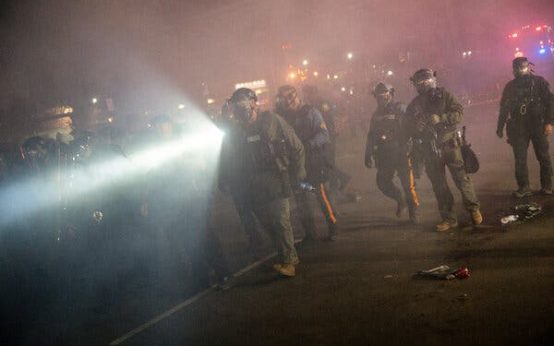 New Jersey Struggles with Protests Near Immigration Detention Center
  Newark Scales Back Police Presence at Detention Center Protests
  Investigation into Bus Company’s Network and Safety Violations
  Inflation’s Rise Challenges Economists’ Claims