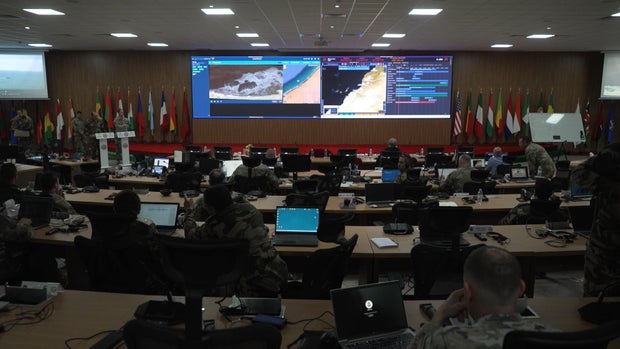
In southern Morocco, where the Sahara Desert touches the Atlantic coast, a significant military exercise unfolded. This place saw American troops participating in the African Lion 2026, an international military practice. The testing focused heavily on the use of artificial intelligence (AI) in modern warfare.
AI-Driven Military Tactics
The U.S.-led African Lion drill was the largest such exercise in Africa, involving 30 partner nations. This event emphasized AI as a crucial part of future combat strategies. Several defense contractors demonstrated AI-driven systems, seeking feedback from soldiers and aiming to secure modernization contracts with the U.S. military.
Streamlining Decision Making
In practice, AI reduced the ‘kill chain’ time, which is the sequence from identifying a target to taking action. Lt. Col. Ramon Leonguerrero explained how an AI platform, developed by Palantir, expedited decision-making. An operation that once took hours now completes in minutes, demonstrating AI’s potential to enhance efficiency on the battlefield.
Role of Human Oversight
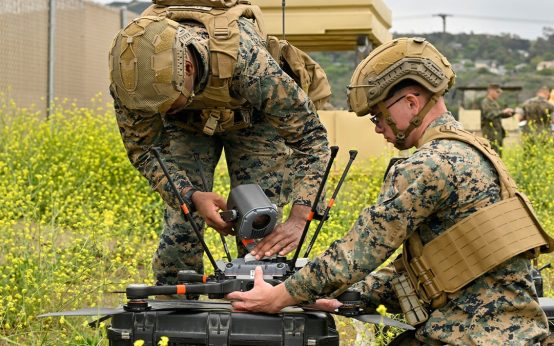
In one scenario, soldiers practiced using robots and drones equipped with weapons. Humans still played a role in approving targets before strikes. Though current systems have humans making the final decision, fully autonomous systems may soon reduce this human involvement even further.
Project Maven and Anthropic’s Contributions
Project Maven, the Department of Defense’s AI flagship, utilized vast data to help commanders make informed decisions. Anthropic’s Claude AI model integrated into Maven allowed operators to interact using plain language, improving data comprehension. Despite tensions with the Pentagon, Anthropic’s technology remains integral.
Ethical Concerns and Future Prospects
AI’s growing role in warfare raises ethical questions. One soldier expressed unease about delegating decision-making to machines. Defense Secretary Pete Hegseth reassured that AI would not independently make lethal decisions, yet acknowledged the importance of staying technologically advanced.
Embracing Robotics for Safety
Overland AI, among others, showcased autonomous vehicles like ULTRA, designed to replace humans on dangerous frontlines. The ULTRA vehicle carried weapons and demonstrated its capability to navigate and tackle obstacles autonomously. While human operators still control the mounted machine guns, automating this could be possible soon.
First Lt. Vincent Gasparri highlighted the goal of these technologies: saving lives. By replacing soldiers with robots in hazardous operations, forces can enhance their protection and effectiveness. This shift, he argued, is vital for maintaining a competitive edge.
 60 Minutes Correspondents Decide to Stay Amid Crisis
  AI Impact: How AI Search is Transforming Professional Services and IT Budgets
  The Critical Role of Magnets in Modern Drone Warfare
  Rising Energy Demands Drive Innovative Solutions
  SpaceX Market Debut: Elon Musk’s Journey to Trillionaire Status
  The State of Sports Video Game Releases and Player Expectations