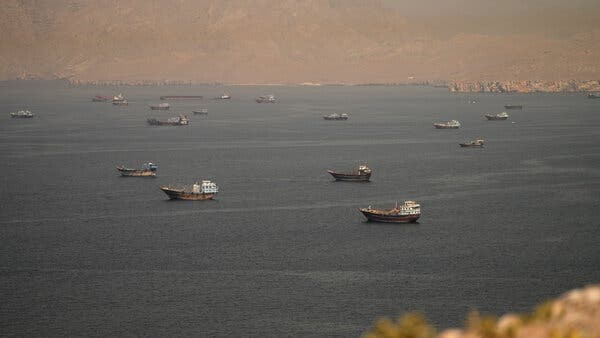
Uncertainty surrounds the status of the Strait of Hormuz, a crucial waterway, due to differing claims from the U.S. and Iranian militaries about its accessibility.
Maritime analysts noted a decline in vessels navigating the strait based on limited data. However, the cause remains unclear. This waterway, vital for oil and gas transport, has become a key point in U.S.-Iran negotiations aiming to conclude the ongoing conflict.
President Trump, in a discussion with Fox News, mentioned speaking with unnamed Iranian officials, cautioning them against closing the strait. He warned, “You close it and you won’t have a country.” During this time, Vice President JD Vance was in Switzerland heading U.S. talks with Iranian representatives.
On Saturday, Iran’s military stated the strait’s closure, accusing the U.S. of violating the recent preliminary cease-fire by not containing Israel’s military actions against Hezbollah in Lebanon. Iran’s Revolutionary Guards Corps discouraged ship approaches to the strait, suggesting security risks.
Despite Iran’s stance, U.S. Central Command reported the strait remained open. Capt. Tim Hawkins stated, “Iran does not control the Strait of Hormuz. Traffic continues to flow, and U.S. forces monitor the situation to ensure this remains the case.”
Ship tracking data indicated that vessels had avoided the northern route of the strait since Iran’s latest warning. Daniel Mueller, a senior analyst at Ambrey, described the situation as tense. “The Iranians claim the strait is closed again, although no attacks have occurred.”
Windward, a maritime intelligence firm, informed that only 12 ships had transited the strait on Sunday—a reduction compared to the previous day. Conversely, U.S. Central Command stated 55 commercial ships had traversed the strait on Saturday, marking the highest count since the conflict’s onset, yet below the 130 ships per day prewar average.
On Sunday, U.S. Energy Secretary Chris Wright reported 67 ships had passed through the strait in the past 24 hours, aided by U.S. military guidance through an alternate, heavily mined, navigable lane south of the main channel.
According to Windward, with some ships deactivating their transponders to avoid detection, hesitation has resurfaced in an already unpredictable corridor.
Leo Sands is a correspondent for the Breaking News Hub of The New York Times in London.
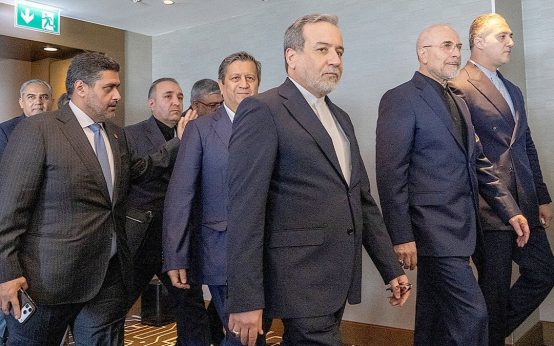 Iran-U.S. Talks Focus on Financial Concessions Amid Tension
  U.S.-Iran Relations in Focus Amid Diplomatic Negotiations
  Sandra Cuevas Captures Attention at World Cup with Viral Celebrations
 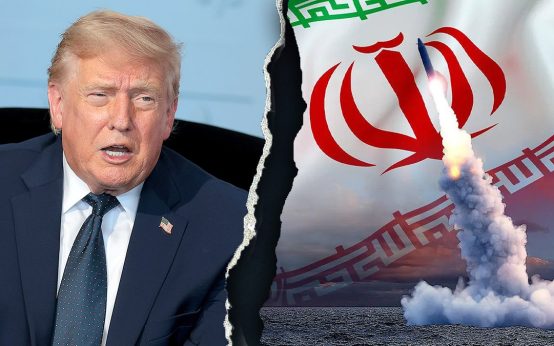 Sen. Cory Booker Criticizes Trump’s Iran Memorandum
  Stars Embrace Summer with Stunning Bikini Photos
 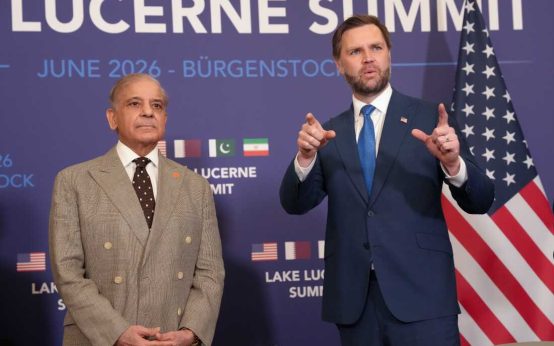 High-Level Talks in Switzerland Address Middle East Conflict