
Prime Minister Keir Starmer of Britain announced his resignation on Monday. This decision follows internal party unrest and challenges to his leadership.
Starmer will serve as prime minister until the Labour Party selects a new leader by September. This paves the way for Britain’s seventh prime minister in a decade, marking continued political instability since the 2016 EU referendum.
“The question my party is asking now is whether I am best placed to lead us into the next general election,” Starmer stated outside No. 10 Downing Street, acknowledging his party’s lack of confidence in his leadership.
He cited accomplishments such as economic improvement and health care investment, but his time in office was plagued by declining political support, both within his party and among the public. In recent weeks, he vowed to resist challenges to his leadership but ultimately acknowledged the political realities.
Starmer’s tenure began in 2024 when Labour won a large parliamentary majority. Analysts described this victory as a “loveless landslide” due to Labour’s record-low vote share of 34 percent, despite ending a 14-year Conservative government.
The likely successor, Andy Burnham, energized by a recent election victory, has not yet publicly responded. Burnham, a former mayor of Greater Manchester, is among Labour’s most popular politicians.
Starmer’s leadership came under strain due in part to economic difficulties and unpopular policy reversals. His political standing suffered further due to appointments like Peter Mandelson as ambassador to the United States, given Mandelson’s ties to Jeffrey Epstein.
Significant losses in local elections deepened dissatisfaction. More than 1,400 Labour candidates lost council seats in England, with voters expressing frustration towards Starmer.
Political rivals, including Nigel Farage of Reform U.K., have called for a general election, hoping to capitalize on Labour’s disarray.
Ursula von der Leyen praised Starmer for strengthening European and Ukrainian security. However, Labour now faces criticism for lacking experienced foreign policy candidates amid global challenges.
Starmer expressed confidence that Britain is stronger and fairer than when he assumed office. He intends to ensure a smooth transition and support his successor to maintain continuity.
The timetable for his departure remains open-ended, with nominations starting July 9. A new Labour leader, possibly Burnham, could be established by September.
This resignation highlights ongoing challenges in Britain’s political landscape, with Starmer acknowledging both his achievements and shortcomings.
 Keir Starmer’s Resignation as Labour Leader and UK Prime Minister
 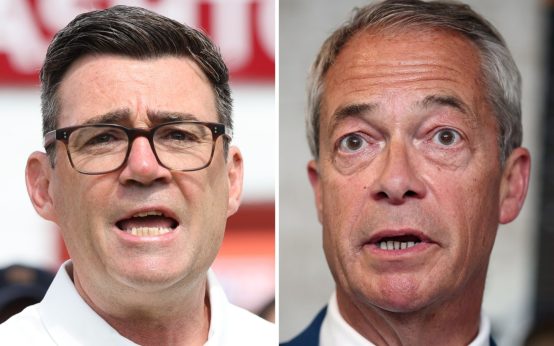 Britain Faces Labour Leadership Battle Amid Political Crisis
 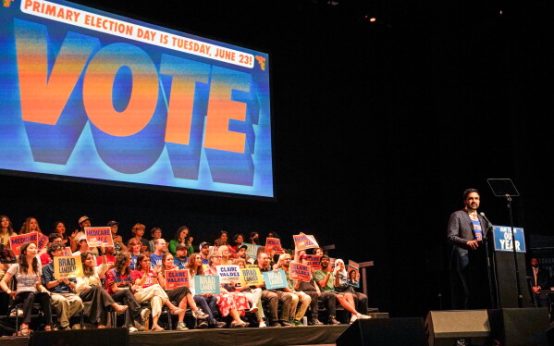 New York’s Congressional Battles: Progressive vs. Establishment Democrats
 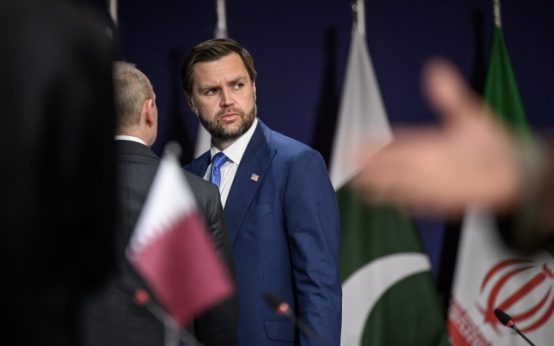 U.S.-Iran Negotiations, Starmer’s Resignation, and Extreme Sports Safety
  British Prime Minister’s Resignation Speech
  Challenges in Jack Schlossberg’s Congressional Campaign