Artificial intelligence, once a domain of tech enthusiasts and experts, stepped into the limelight during a high-profile event, marking the onset of the AI wars. On Sunday, the fierce competition between leading AI companies shifted from boardrooms to a major television event, the Super Bowl. Anthropic, an emerging force in the AI landscape, launched its campaign during the Super Bowl LX, deliberately targeting its chief rival, OpenAI.
Anthropic, founded by ex-OpenAI executives and based in San Francisco, sought to position itself as the ethical alternative to OpenAI. With its debut commercial during the highly-watched match between the Seattle Seahawks and New England Patriots, the company made its stance clear. The ad, which reportedly involved considerable financial investment, poked fun at OpenAI’s decision to integrate advertisements into its widely used AI chatbot, ChatGPT.
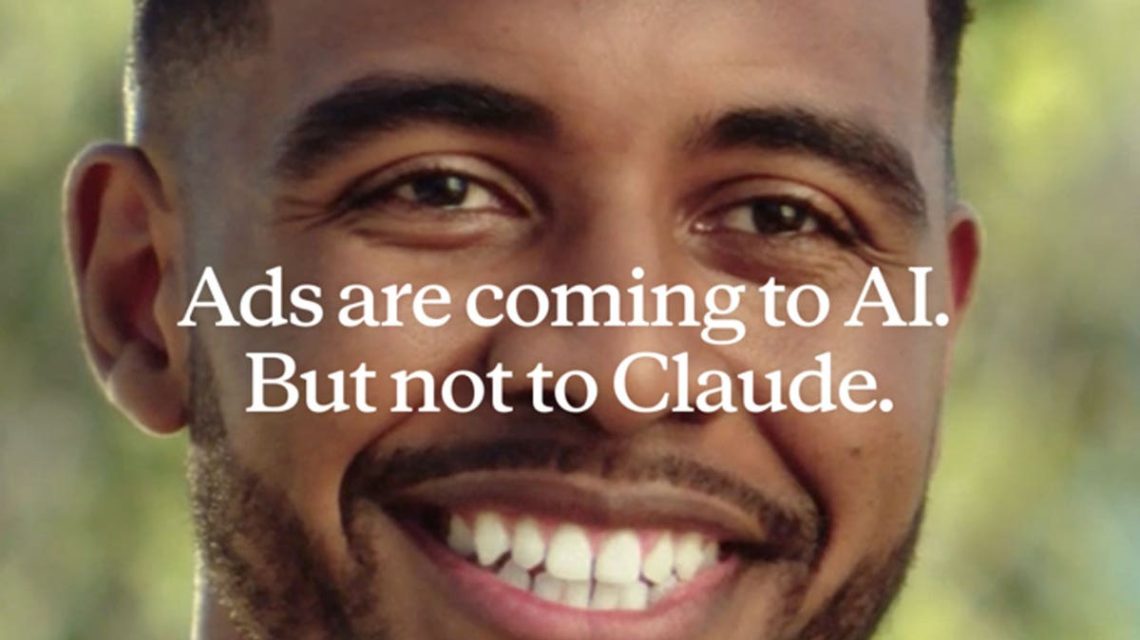
The advertisement featured a humorous scenario where a young man seeks workout advice from a well-built passerby, who unexpectedly shifts the conversation to promote shoe insoles for “short kings.” The commercial ends with the striking message: “Ads are coming to AI. But not to Claude.” Claude is Anthropic’s AI model, which, according to their blog post, is committed to remaining ad-free. The post stated, “There are many good places for advertising. A conversation with Claude is not one of them. Our users won’t see ‘sponsored’ links adjacent to their conversations…”
Anthropic announced that its AI platform Claude will remain free of advertisements, unlike its competitor’s platform.
However, OpenAI CEO Sam Altman fiercely criticized Anthropic’s campaign, describing it as “clearly dishonest” on social media platform X. He argued that the advertisement misrepresented his company’s approach, characterizing it as “deceptive.” Altman emphasized that OpenAI’s trial of ads in ChatGPT’s “Free” and “Go” tiers was essential to maintaining broad access, especially for users who cannot afford subscriptions. He pointed out that “more Texans use ChatGPT for free than all the people in the United States who use Claude.”
Altman defended OpenAI’s decision, reinforcing that the company’s primary focus is on user trust and that advertisements would be non-intrusive and clearly labeled. “We’re not stupid,” Altman stated in a podcast interview, explaining the company’s commitment to its users and ensuring that ads wouldn’t interfere with their AI interactions.
In a broader context, the AI showdown reflects the evolving dynamics in the industry, where reaching a wider audience is becoming as crucial as technological advancement. As the battle intensifies, capturing viewer attention through high-stakes advertising campaigns might become a significant strategy for tech giants.
OpenAI also showcased its innovation by promoting its software coding tool, Codex, during the Super Bowl, underlining its resolve to stay competitive in an increasingly contested market.
The powerful narratives crafted by these ads highlight that the contest is no longer about AI capabilities alone. It’s also about engaging the public and shaping perceptions in the most watched televised event of the year.
 SpaceX Secures $920 Million Monthly Deal with Google
  60 Minutes Correspondents Decide to Stay Amid Crisis
  The Journey of Apple: From Its Origins to a Global Giant
 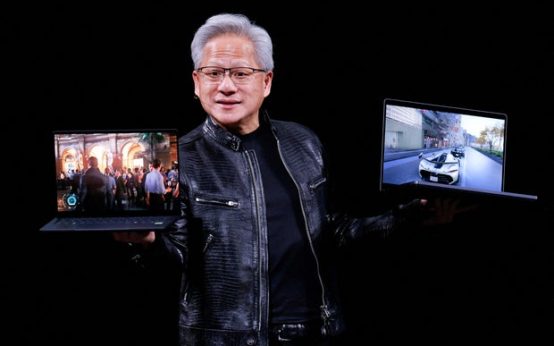 Nvidia Launches Powerful Chips to Bring AI to PCs
  Nvidia’s Expansion into AI-Driven Laptops and Desktops
  Anthropic Surpasses OpenAI in A.I. Valuation