
Sterile Fly Release to Combat Screwworm
On Thursday, U.S. Agriculture Secretary Brooke Rollins observed the release of sterile flies as part of efforts to control the New World screwworm, a pest threatening major damage to the nation’s cattle sector. During her visit to a Texas ranch, where an initial case was discovered, Rollins highlighted the importance of timely intervention and vigilance among ranchers to manage infestations effectively. Rollins has also attributed the screwworm’s return to the United States to the policies of the Biden administration. Meanwhile, Democratic leaders claim the problem stems from budget cuts made under the Trump administration.
Screwworms are flies known for laying eggs in the wounds of warm-blooded animals. The larvae feed on living tissue. Scientific efforts to control them typically involve releasing sterile flies, which has been a proven strategy for decades. The approach hinges on the fact that female screwworms mate only once, thus when they mate with sterile males, their eggs fail to hatch.
Climate Impact and Prevention Efforts
Efforts to manage screwworms are further challenged by global warming, as these flies thrive in hotter, more humid climates. A comprehensive response plan is underway by the U.S. Department of Agriculture (USDA) to address the issue. This includes a $1 billion initiative focused on safeguarding cattle herds and other livestock. Key investments will be directed towards building a plant dedicated to producing up to 300 million sterile flies weekly.
The screwworm crisis has already affected the Mexican beef industry, prompting measures such as the closure of U.S. ports to Mexican livestock last summer. The Mexican government has restricted imports of live animals from the U.S. as well.
Understanding Screwworm Spread and Response
Experts remain uncertain about the exact causes behind the resurgence of screwworms, which had been contained to Panama for decades. Current detection in Texas and New Mexico has led to the establishment of quarantine zones to control spread. Climate change is also seen as a significant factor, aiding the northward movement of screwworms as temperatures rise. Canada, in response, has ceased imports of livestock from Texas.
Political Disputes and Staffing Concerns
Brooke Rollins is advocating for rapid action against the screwworm outbreak. She associates the pest’s return with immigrant livestock movements and activities of Mexican cartels. Meanwhile, Democratic officials criticize staffing reductions in the USDA, suggesting they have compromised food safety and livestock programs.
Rollins has reassigned over 100 USDA staff to address the screwworm issue. However, Democratic Rep. Ted Lieu argues that these challenges are results of Trump administration cuts, referencing the screwworm’s life cycle to emphasize the timeline of events and criticizing the lack of responsibility from Trump officials.
 Patagonia vs Pattie Gonia: The Trademark Dispute Explained
  Tornado Destruction in Illinois and Indiana: Efforts and Responses
 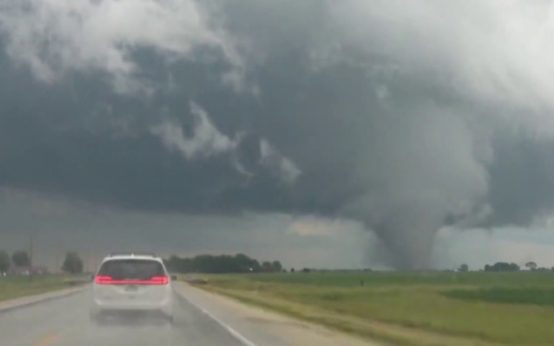 Intense Weather Patterns Sweep Across the U.S.
 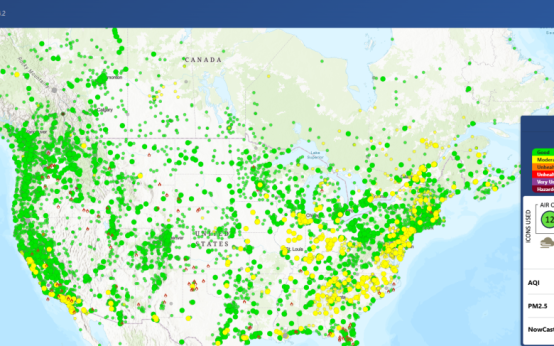 Federal Research Cuts Threaten Wildfire and Smoke Monitoring Efforts
 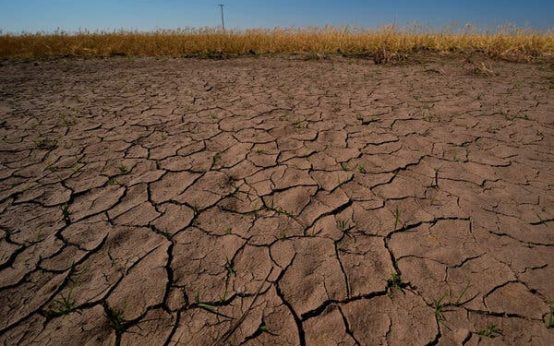 NOAA Announces the Onset of El Niño: Global Impact and Risks
  Heatwave Intensifies Fire Risk in San Francisco Bay Area