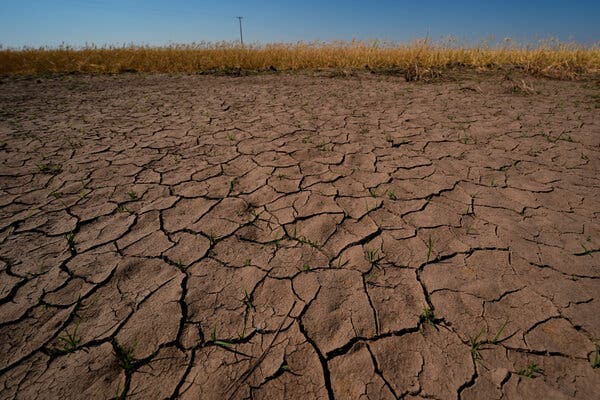
Meteorologists have announced the emergence of an El Niño in the tropical Pacific, expected to intensify in the coming months. This weather pattern may lead to more extreme weather and higher global temperatures.
The Science Behind El Niño
El Niño is a natural phenomenon occurring every few years when trade winds shift, warming the Pacific Ocean. This results in worldwide weather changes and enhances the severity of floods and droughts linked to climate change.
The National Oceanic and Atmospheric Administration (NOAA) has confirmed that equatorial Pacific temperatures have been 0.5 degrees Celsius (0.9 degrees Fahrenheit) above normal for several months. Atmospheric conditions now support the onset of El Niño.
Potential Impacts
NOAA predicts a 63% chance that sea-surface temperatures will rise 2 degrees Celsius above the average. Some forecasts indicate the possibility of even higher increases, reaching beyond 3 degrees Celsius, unprecedented levels for El Niño.
“We don’t really have an analog for that,” commented Malte Stuecker, leading oceanography expert at the University of Hawaii at Manoa.
Historically, El Niño events peak during the northern hemisphere’s winter and can result in increased global temperatures the following year. The last El Niño coincided with record-breaking heat from 2023 to 2024.
Economic and Environmental Effects
Significant El Niño events have historically led to global economic challenges. While impacts vary, they generally cause wetter conditions in parts of the Americas while making South and Southeast Asia, Australia, and southern Africa drier.
In the United States, El Niño may help reduce hurricane activity in the Atlantic. Colorado State University recently lowered its hurricane activity predictions to levels not seen since 2015. However, NOAA warns of potential high tide floods and algae blooms on the West Coast.
Vulnerabilities of Developing Nations
Poorer nations face heightened risks of food crises and droughts, exacerbated by existing issues such as fertilizer shortages due to the Strait of Hormuz’s closure and reductions in humanitarian aid funds.
“Failed rains, dying crops, rising food prices and families pushed to the edge yet again,” stated Mohamed Adow, a climate expert with Power Shift, a think tank in Nairobi. He emphasized the burden El Niño places on East African communities already struggling with environmental adversity.
 Patagonia vs Pattie Gonia: The Trademark Dispute Explained
  Tornado Destruction in Illinois and Indiana: Efforts and Responses
 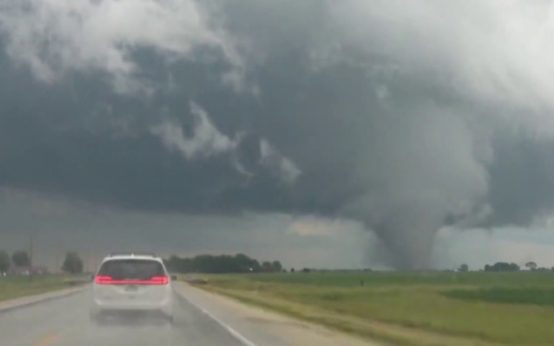 Intense Weather Patterns Sweep Across the U.S.
 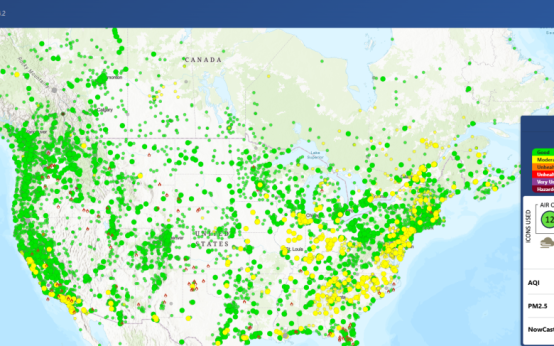 Federal Research Cuts Threaten Wildfire and Smoke Monitoring Efforts
  Battle Against Screwworm to Protect U.S. Cattle Industry
  Heatwave Intensifies Fire Risk in San Francisco Bay Area