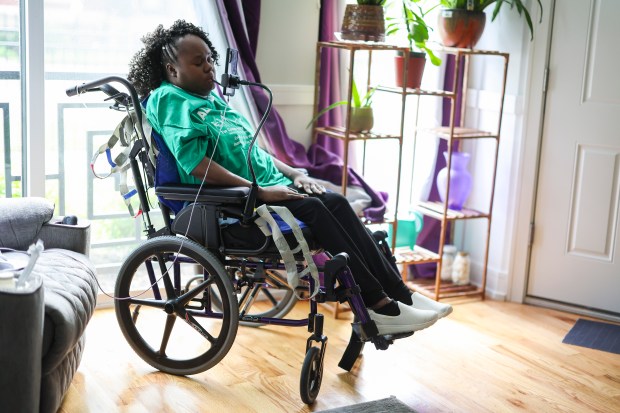
A lawsuit filed on Thursday contests the impending Illinois law allowing terminally ill patients to access life-ending medication, scheduled to be effective in September. The plaintiffs, which include two disabled individuals, a doctor, and various rights organizations, argue that the law disturbs established ethical standards between patients and doctors by removing the duty to do no harm.
The defendants named in the lawsuit are Illinois Governor JB Pritzker, the Illinois Department of Public Health, and its director, Dr. Sameer Vohra. The lawsuit claims violations of federal laws, such as the Americans with Disabilities Act and the Affordable Care Act, which aim to prevent discrimination and manage healthcare expenses. Additionally, it alleges that the law infringes on the plaintiffs’ 14th Amendment rights to equal protection.
Another similar legal challenge targets New York state’s medical-aid-in-dying law, involving Governor Kathy Hochul as a defendant, as the law becomes effective in August. The Illinois suit states that the End-of-Life Options for Terminally Ill Patients Act, known as EOLA, alters the foundational doctor-patient relationship by substituting a do-no-harm obligation with a provision for prescribing lethal drugs. The plaintiffs assert that EOLA lacks sufficient safeguards, potentially leading to a ‘duty to die’ for those with life-threatening disabilities.
The lawsuit contends that individuals with severe disabilities will face undue pressure from insurers, hospitals, and physicians to choose premature death. The Illinois Department of Public Health declined comments on the ongoing litigation, while the Governor’s office did not respond to requests for comment.
Pritzker enacted the End-of-Life Options for Terminally Ill Patients Act to address debates about allowing terminally ill patients—diagnosed with less than six months to live—the choice to use prescribed life-ending drugs. Illinois thus joined over ten other states and Washington, D.C., that permit medical assistance in dying.
According to Governor Pritzker, the law seeks to alleviate unnecessary suffering for terminally ill patients. Critics, however, label the concept of aiding patients in taking their lives as immoral. Pope Leo XIV previously expressed dissatisfaction with the measure, despite discussions with Pritzker during review stages.
The law requires that eligible individuals, aged at least 18 and residing in Illinois, must make both oral and written requests for the medication. Additionally, patients must confirm their decision orally five days after the initial request, observed by two witnesses ensuring their voluntary and sound decision-making capabilities. The law also requires physicians to inform patients of all relevant end-of-life care options.
Organizations involved in the lawsuit against Illinois include the United Spinal Association, the National Council on Independent Living, and the Progress Center for Independent Living. Ebony Payne, a quadriplegic and plaintiff, has recently faced life-threatening medical situations in hospitals. Another plaintiff, Pam Heavens, born with cerebral palsy, requires continuous medical support, with any significant lapse rendering her an eligible candidate under the Act.
Dr. Nooshig Luz Salvador, who cares for terminally ill patients with disabilities, is also a plaintiff. The lawsuit claims that patients often receive diagnoses without adequate warning and are supported by surgeons lacking proper communication skills regarding end-of-life care that could improve their quality of life.
 New Owner Discovers Skeletal Remains in Foreclosed Connecticut House
  Heat-Related Incidents Claim Lives of Hikers in Grand Canyon
  Obama Center Faces Criticism Over Land Use and Costs
  L.A. Officials Prepare for State of Emergency Amid Warehouse Fire in Boyle Heights
  Controversy Surrounds Peeling Paint of Washington’s Reflecting Pool
  MLB Faces DOJ Investigation Over Pride Hats Controversy