
The ongoing conflict in the Persian Gulf has led to significant global repercussions. It has caused turmoil in the world economy, disrupted U.S. alliances, and severely impacted freedom of navigation. Additionally, this war has challenged the nuclear nonproliferation agreement, pushing it to a critical juncture.
One of the most profound outcomes of this conflict is its exposure of U.S. strategic weaknesses. This development raises concerns about the United States’ global standing and its ability to maintain influence. The Pentagon’s resources have been stretched thin due to the war in Iran, occurring as China continues its significant military expansion.
China’s military buildup presents a growing challenge. As the United States contends with resource constraints, China’s enhanced military capabilities could alter the balance of power. This situation demands a reassessment of U.S. strategic priorities and resources to address emerging global threats effectively.
The conflict in the Persian Gulf serves as a stark reminder of the interconnected nature of global politics. Actions in one region can have far-reaching effects, influencing international stability and security. It underscores the need for strategic planning and resource allocation to maintain global order.
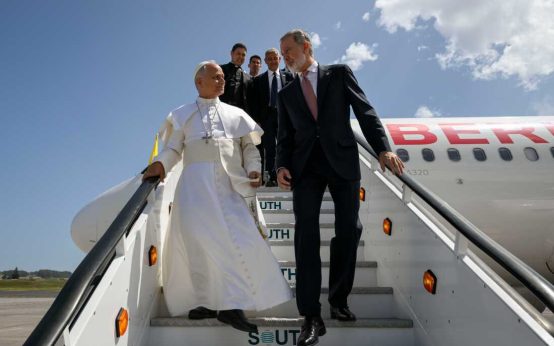 Pope Leo XIV’s Unexpected Departure: King Felipe VI Lends a Hand
  Land Mines Continue to Devastate Families in Myanmar
  USMNT Starts World Cup with Convincing Win over Paraguay
  Weston McKennie Set for Impact with USMNT
  Trump’s Use of Anime Imagery Strains Ties with Japan
 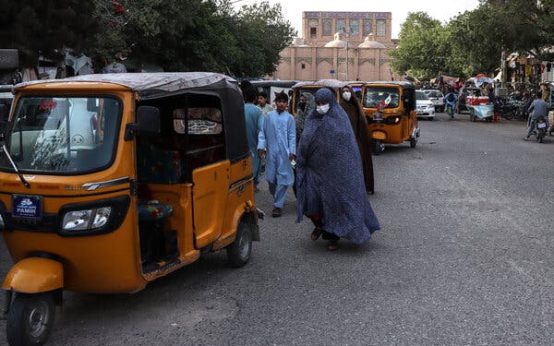 Protests in Afghanistan Over Women’s Rights