
The political landscape around firefighting aircraft inspections is undergoing scrutiny due to a proposal by U.S. Sen. Tim Sheehy. Previously the leader of an aerial firefighting business, Sheehy moved to halt U.S. Forest Service’s detailed inspections for such aircraft. This suggestion has drawn attention because Sheehy kept a considerable stake in Bridger Aerospace, his former company, during his political ascent.
Aircraft Inspection Failures
In a vital twist, soon after plans to eliminate these inspections were leaked, Bridger’s aircraft failed an inspection due to a wing crack. Critics see a potential personal gain for Sheehy, as inspections might be eased while he owned Bridger stock valued at $13 to $15 million.
Safety and Oversight Concerns
Inspections by the Forest Service are designed to flag safety issues in firefighting aircraft. Discoveries of cracks, like those identified in Bridger’s scoopers, are exceptional and could be catastrophic. Paul Markowitz, once a national aviation manager for the Forest Service, highlighted how uncovering such faults is crucial to preventing deadly accidents.
For years, Forest Service inspectors noted maintenance issues with Bridger’s aircraft. Nevertheless, the company finalized a repair quickly when a concerning crack was found, which they claim was standard maintenance.
Defending Inspection Proposals
Despite these developments, Sheehy continues to defend his stance against Forest Service inspections. His spokesperson argues that these processes are outdated and obstruct necessary aircraft availability. Furthermore, Sheehy maintains no conflict of interest now, having transferred assets to blind trusts. Yet, the legitimacy of these trusts was questioned given the involvement of his brother’s company.
The Impact on Aerial Firefighting
Current inspections are thorough, stemming from past accidents that propelled the demand for rigorous safety checks. Improvements in safety records highlight their significance. Despite Bridger’s absence of crash history, the Forest Service’s inspections still receive criticism from contractors and industry advocates like the United Aerial Firefighters Association.
The discourse around the future of these inspections links to bigger administrative changes. With the consolidation of fire programs under discussion, concerns arise regarding which department should oversee the Forest Service’s operations, given its extensive resources and responsibility.
Sheehy’s influence on federal policy appears to fit with the interests of aerial firefighting contractors like Bridger. The potential merging of fire agency responsibilities could provide greater business prospects for these private entities.
Concluding Thoughts
As wildfires become increasingly frequent, the balance between safety and operational efficiency remains crucial. While industry stakeholders debate inspection processes, public transparency and robust safety measures continue to be vital in protecting both firefighting personnel and the communities they aim to safeguard.
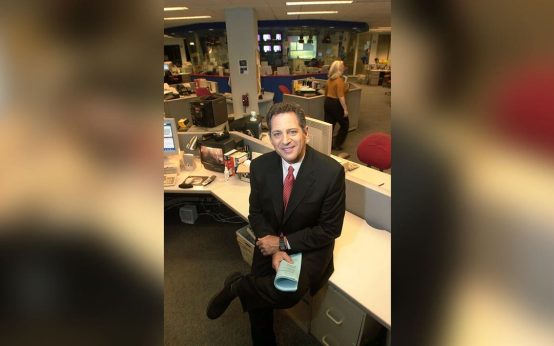 Veteran News Anchor Bill Ritter Diagnosed with Alzheimer’s Disease
  Spencer Pratt Concedes Los Angeles Mayoral Race Amidst Controversy
  Alaska Ballot Controversy Over Two Dan Sullivans
  Trump’s Action Against Tren de Aragua Gang
  U.S. Soccer Team Triumphs in World Cup Opener
  Kennedy Center Faces Deadline to Remove Trump’s Name